
1.7 C
New York
Thursday, February 12, 2026
Home Blog Page 2

Gpu Shortage: An Exciting Overview & Future Outlook

0

So, what’s all this talk about GPU shortages, and why should you care? Picture trying to play your favorite video game, but your graphics card is suddenly playing hard to get. That’s the world many of us are living in, and it’s not just gamers who are feeling the pinch. Whether you’re a tech guru, a budding AI startup owner, or someone just curious about why this is happening, I promise you’ll find something intriguing here. Let’s embark on this thrilling journey to uncover the mysteries behind the GPU shortage and what the future holds!

Understanding What Led to the Shortage

First things first, what on earth triggered this never-ending GPU shortage? Well, it’s a story of several factors playing villain. Imagine a stage crammed with global supply chain hiccups involving everything from the raw materials needed to make chips to the limited number of companies actually churning out the graphics processing units. Companies like Nvidia and AMD dominate the scene, and when they sneeze, the whole supply chain catches a cold.

But wait, there’s more! Delivery delays and production slumps aren’t just buzzwords—they’ve become part of everyday life, thanks to our pal, the semiconductor supply chain. The centralized nature has made it particularly prone to setbacks, creating a scenario where demand gallops ahead while supply limps behind. It’s the rare bottleneck no one wants but everyone seems to have.

The Pandemic’s Surprising Role

You’ve probably noticed how COVID-19 turned our lives upside down and inside out. It shut down factories, threw a wrench in logistics, and suddenly, everyone was working from home, demanding more electronics. Boom—GPU demand shot through the roof! The pandemic didn’t just disrupt our daily routines; it turbocharged the need for GPUs; laptops, workstations, you name it!

Factory shutdowns stopped production cold. Shipping delays made distribution a nightmare. And with everyone holed up at home, the overall demand for PCs jumped by 13%! Imagine how quickly those poor GPUs flew off the shelves. So, if you found yourself staring at “out of stock” messages online, you’re definitely not alone.

AI Revolution Boosts GPU Demand

Now, let’s talk about another game-changer: artificial intelligence. AI is becoming the new electricity; it’s powering everything from your smart assistant to self-driving cars. And here’s the kicker—it needs GPUs. Lots of them. AI’s ever-growing appetite is putting even more stress on an already strained supply.

The high-performance capabilities of GPUs make them indispensable for AI and machine learning applications. These applications demand the ability to process tons of data quickly, and that’s precisely what GPUs excel at. So, the idea that every AI advancement is another straw on this camel’s back hits the nail on the head.

Current Market Conditions (2024-2025)

So, here we are in 2024, and the GPU market is still in knots. Despite some growth (over 78 million PC GPUs were shipped in the last quarter of 2024), the market is struggling. Nvidia and others can’t keep up with skyrocketing demand, and with trends suggesting only 15% of systems will have a discrete GPU by 2030, it’s tough going.

If you’re searching for a high-end GPU, good luck in the sea of empty shelves. Prices are soaring—whether you’re decking out a gaming rig or running complex computations for a business, the pinch is real. What’s more, the scarcity isn’t just a temporary glitch; it seems destined to linger, nudging companies and consumers to brace for a prolonged uphill battle.

Industry-Specific Challenges

The impact of the GPU shortage isn’t just universal—it hits different sectors in unique ways. Let’s say you’re working in healthcare, where AI is increasingly used for diagnostics. Here, the shortage could mean delays or compromised quality, given the computational heft needed for AI.

Over in the startup arena, particularly those dabbling in new-age tech, it’s more of a scramble. With Nvidia’s chips in short supply, many entrepreneurs find their plans stalled, leaving them hunting for computing power like it’s the Wild West. And if you’re a gamer, you already know the drill—unavailability of the latest GPUs hampers gameplay and hold up game development, making it just a little less fun to land those headshots or explore virtual worlds.

Creative Responses and Solutions

But hey, it’s not all doom and gloom! Humans are an inventive bunch, and we’ve been cooking up some creative workarounds. Some folks are pivoting to alternative processing strategies, sidestepping GPUs for CPUs to keep the wheels turning while things smooth out.

Manufacturers are stretching production capabilities, trying to churn out more units without sacrificing quality. Industry heavyweights are also dabbling in new tech, pushing boundaries to ensure this shortage sparks innovation instead of stagnation. It’s all about finding a silver lining, right?

Even so, the sensation here is that of calculated optimism. Businesses need to develop creative, long-term resolutions instead of betting on a rapid fix. This journey isn’t about merely surviving the shortage; it’s about thriving beyond it.

The Road Ahead for GPU Availability

Here’s the thing: the road to resolving these supply chain snags isn’t short. We’re looking at years, not months. But with ingenuity and a clear-eyed view of the future, there’s real hope for change. Many industry insiders, including NVIDIA’s CEO, foresee continued challenges, calling for ongoing efforts to ensure supply chains get back in sync and stay that way.

We’re talking beefing up chip production capabilities and companies collaborating more deeply across borders and sectors. Plus, as tech companies eye sustainable and robust supply routes, the evolution of GPUs could open surprising paths forward.

As this saga continues to unfold, it remains captivating to witness. Stay tuned to see how the tech world, brimming with potential and power, navigates these unique challenges to hopefully steer us into smoother waters. So, whether you’re a GPU enthusiast, tech professional, or someone new to the scene, rest assured that this adventure is just heating up! It’s all eye-opening and serves as a gripping reminder of how interconnected our tech-fueled world truly is!

Also Read:
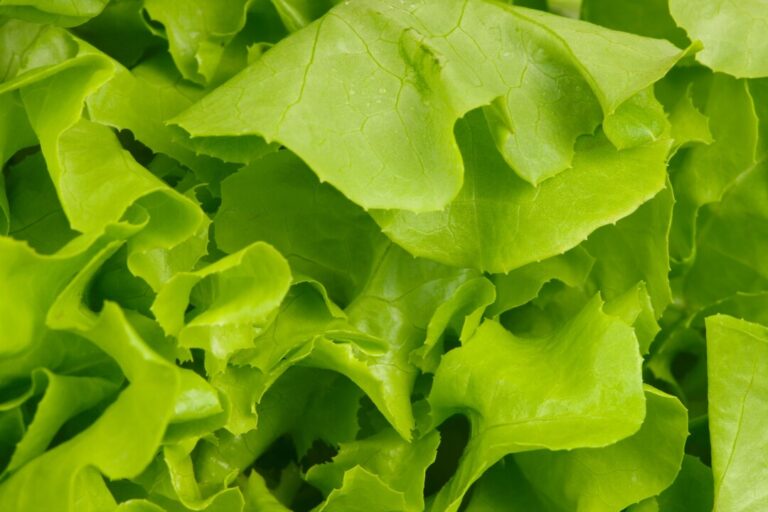
Lettuce Shortage: Unraveling the Crisis and Impact

0

Hey there! Have you noticed that your favorite salad seems a bit pricier or even missing a key ingredient – the humble lettuce? It’s not just you! There’s a lettuce shortage that’s turning heads and tightening wallets across the nation. Let’s dig in to find out why this leafy green is in short supply and creating a stir.

What’s Up with Lettuce?

Let’s get right into the crux of the lettuce situation. You’ve probably seen fewer lettuce heads piling up at the grocery store lately. It’s like lettuce decided to go on an unexpected vacation, causing prices to shoot up like popcorn in a hot pan. But why? This shortage is a result of several complex factors blending together, and it’s throwing our salad-making plans into a bit of chaos.

The Culprit: Disease Pressure Hits Hard

Here’s the thing: one of the major villains in this lettuce drama is the Impatiens necrotic spot virus (INSV). Now, that’s a mouthful! This pesky virus, akin to an uninvited guest at a party, has made itself at home in the Salinas Valley, famously known as the nation’s “salad bowl.” The spread of this virus is no accident; it’s powered by thrips—tiny critters that seem harmless but are wreaking havoc. They’re challenging to control, turning lettuce farming into a tough game of whack-a-mole.

The impact has been massive. According to the Grower-Shipper Association, lettuce producers took a $100 million hit back in 2020. Fast forward to now, and the numbers don’t look any brighter. The virus isn’t letting up, and the financial toll keeps climbing, leaving farmers on edge and shoppers with higher grocery bills.

Weather Woes Add to the Fire

If INSV is the villain, consider the weather its scheming sidekick. The perfect storm of excessive heat and adverse weather is adding fuel to this fiery crisis. It’s like trying to keep a candlelit during a windstorm. The Monterey County Farm Bureau has pointed out that this dynamic duo of disease and climate has cost about $100 million in damages back in 2021. With each passing year, it seems Mother Nature is giving these lettuce growers another curveball to dodge.

Hot temperatures and unpredictable weather patterns have stressed crops to their breaking point. Add pests into the mix, and you get a recipe for disaster. Farmers are left watching their would-be harvests wilt instead of flourish. Not exactly what they signed up for, right?

Tough Transition Times in Production

Let’s pause here and talk about another key player in this shortage saga: the seasonal supply gap. Normally, this isn’t a big deal. It’s a time when lettuce crops are transitioning between regions, like a traveler switching flights. But this year, the gap feels more like a chasm. Why? Because the Salinas Valley, our go-to lettuce land, hasn’t hit its stride yet.

Brenda Haught from Creekside Organics Inc. has some insights here. She notes that while these supply gaps are fairly at home around this time, this year it’s like they’ve doubled down in intensity. So, as you and I sift through what’s left on grocery store shelves, the pros are grappling with lower yields and bigger gaps than usual.

Economic Shockwaves: Prices Soar

Alright, so let’s talk dollars and cents. Have you had a peek at lettuce prices lately? If not, brace yourself. Prices have shot through the roof! Imagine the usual price range suddenly leaping into the $30 to $40 territory by mid-February 2025. Unbelievable, right? Yet, that’s exactly where we are. Even your average iceberg lettuce seems to have developed a taste for the luxurious life!

Experts say this price pinch could last through April 2025. So, don’t be surprised if you find yourself budgeting a bit differently the next time you plan that summer cookout.

Supply Chain Chaos and Restaurants Struggle

Now, let’s think about our dining-out adventures or even a simple burger chain run. With crops taking a hit, there’s less lettuce to go around. Restaurants are feeling the squeeze just like you and me. Reduced supply has production numbers diving by as much as 50% during previous shortages. Imagine grilling a juicy burger without the crunch of fresh lettuce—it’s lacking, right?

Restaurants are scrambling to source lettuce, and the increased costs often get passed down to us, the consumers. It’s a ripple effect that touches everyone’s plates, from fast-food chains to fine dining spots.

Regional Repercussions: Salinas and Beyond

Let’s zoom back into the Salinas Valley. This crucial lettuce-producing area is more than just fields of green—it’s a powerhouse that feeds the country. Sadly, INSV has turned this powerhouse into a problem child, impacting nationwide supply and making us rethink our meal plans.

Other desert regions like the Imperial Valley in California and Yuma, Arizona, are also feeling the heat. Even with these areas trying to pick up the slack, the underlying virus and weather issues persist. This isn’t just a local problem—it’s national, affecting everything from grocery store choices to restaurant menus.

Organic Lettuce: A Special Case

For those of us who lean toward organic options, the plot thickens. Organic lettuce growers face an uphill battle against INSV and thrips. Unlike conventional crops, organic farms can’t rely on chemical pesticides for a quick fix. It’s like fighting with one hand tied behind their back.

The inability to use chemical controls makes organic lettuce a scarce find and a costly purchase. So, if you’re an organic enthusiast like many of us, brace yourself for steeper prices and more limited availability.

Conclusion: A Future of Unknowns

So, where does this lettuce odyssey leave us? It’s a whirlwind of uncertainty whipping through fields and store shelves alike. We’re left to ponder, will lettuce bounce back to its regular rhythm, or are we in for more rollercoasters?

One thing’s certain: the need for innovative solutions and resilient systems is more pressing than ever. From biological breakthroughs to smarter farming practices, the future holds possibilities we’ll be watching closely. In the meantime, as you make your next grocery run, remember—you’re not alone in this leafy dilemma.

For further updates on how this green rollercoaster is affecting businesses, check out On Business Mag for more insights. Stay hopeful, stay informed, and here’s wishing you a steady supply of greens!

Also Read:

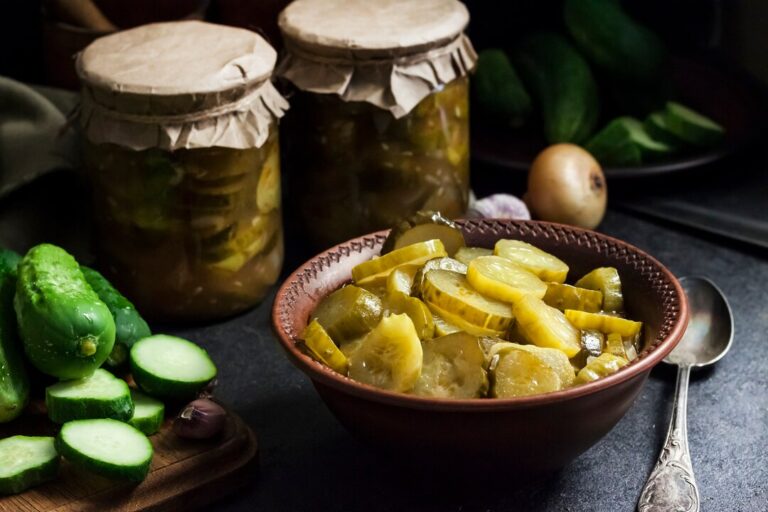
Pickle Shortage: Exploring Causes and Solutions 2024

0

Hey there pickle lovers! Have you been noticing fewer jars of your favorite dills and sweet gherkins on the shelves lately? If so, you’re not alone. Let’s dive into the juicy details of the pickle shortage saga sweeping across the United States as of May 2024. It’s a rollercoaster ride involving weather woes, supply chain snafus, and COVID-19 hiccups. So, buckle up, because we’re about to uncover the mystery behind the pickle predicament!

Current Situation

As of the spring of 2024, the United States is knee-deep in a pickle shortage. If you’ve recently found your supermarket shelves sparse or your restaurants cutting back on burger-pickle slices, you’re experiencing the aftermath of a complex supply situation. What’s causing this pickle pickle, you ask? The short answer: a bunch of things went sideways at once.

First, let’s talk weather. Mexico, one of our main cucumber suppliers, faced extreme weather conditions that wreaked havoc on cucumber crops. Imagine trying to grow cucumbers in a land battered by unpredictable weather conditions. Sounds like a pickle of a problem, right? With fewer cucumbers crossing the border, the scarcity back home amplifies, making the pickle fan club a little anxious.

And it’s not just the weather that’s playing spoil-brine. Supply chain issues are dragging the pickle industry into a crunchy crisis too. It’s like a giant jigsaw puzzle with missing pieces. Transportation costs are soaring, and we’ve got fewer truck drivers around. Add in a glass jar shortage and you’ve got a recipe for a shrinking pickle jar supply!

Main Causes

Alright, let’s dig a bit deeper. This pickle pandemonium is not due to one single reason. It’s a perfect storm of several issues that came together in the worst possible way.

Supply Chain Challenges

Start with supply chain challenges. Picture this: you’re trying to get a jar of pickles from the farm to your fridge. Sounds simple, right? Not quite!

Transportation Costs: The price tag on freight has jumped faster than you can say “gherkin.” Back in the day, Puckered Pickle Co. in Chicago could transport a truckload for around $3,000. Now it can skyrocket to a whopping $5,400. The reasons? Higher fuel prices and increased demand for long-haul truckers.

Labor Shortages: Fewer drivers mean delays and higher costs. It’s a bit like waiting for the only driver in town to give you a lift – everyone needs them, but they’re too few to go around.

Packaging Materials: Glass jar shortages during the COVID-19 pandemic have put an extra squeeze on producers. If you thought producing pickles was as easy as cutting cucumbers and adding brine, here’s the twist. Without those precious glass jars, the pickles can’t make it to your table.

Adverse Weather Effects

Let’s chat about the weather. Mexico, our trusted cucumber ally, found itself under siege by extreme weather conditions. It’s kind of like having your main players struck by injuries during the playoffs – yields have plummeted, and so have our cucumber supplies.

Imagine the devastation: crop fields battered by unseasonal weather, disrupting the regular flow of cucumbers, the foundational crunchiness in our beloved pickles. It’s not just a loss for farmers but a pickle bottleneck for us all.

COVID-19 Effects

Our third contender in the pickle saga is, you guessed it, COVID-19. The pandemic threw a wrench in everything, including our briny friends:

Border Closures & Transport Disruptions: With borders clamming up and lanes closing, some pickle varieties and ingredients temporarily went AWOL.

Consumer Behavior: People began hoarding pickles like they were salty gold. Pantry stocking became a trend, with shelf-stable goods flying off racks faster than you could say “salted goodness.”

Home Cooking: The surge in homemade meals spiked pickle demand, as folks dug into pantry recipes, finding creative uses for pickles – from salads to sandwiches.

Online Shopping Boom: The internet became pickle central, reshuffling supply chains and how we hunt for our pickle fix.

Financial Ramifications

Now, let’s talk about the dough pickle-makers are trying to knead. As you might expect, shortages lead to price hikes. Puckered Pickle Co. had to bump up prices by 6-7% over recent years, compared to the regular 3-4% annual increase. Despite the squeeze, the North America Pickles Market is seeing growth. It was worth USD 12.42 billion in 2023, and the forecast suggests it might hit USD 15.27 billion by 2030 with a steady growth rate of 3% annually.

Every jar is costing more due to these issues. It’s almost as if each pickle is covered in gold, considering the painstaking supply path from farm to fork. Yet, people’s love for pickles remains unshaken. It seems the tangy allure of pickles outweighs the sticker shock.

Availability and Selling Points

Even during this crunchy crisis, pickles are popping up in your local stores, albeit in smaller quantities. Where do you find these coveted jars of joy?

Supermarkets and Grocery Stores: These remain the go-to spots for scouting pickles. From mass-market brands to artisanal delights, the variety might be slightly pinched, but it’s still there.

Online Retailers: The digital age is no stranger to pickles, and online retailers, including giants like Amazon and specialized grocery delivery services, are extending their pickled reach.

Specialty Stores: For those with a taste for unique pickle offerings, gourmet shops and international markets bring a bit of pickle flair, often showcasing small-batch artisanal producers.

Unlike other food items that fade into the dusty corners during shortages, pickles remain visible, albeit sparingly, in various outlets. Online platforms and specialty stores are stepping up, offering what mainstream chains might not. Pickle enthusiasts have their ways of securing their beloved jars, making do with what’s available.

Looking Ahead

So, what’s on the horizon for our pickles? Despite the tangy turmoil, pickles show a remarkable resilience. The market is strong and projected to grow, braving any up-and-coming hurdles. It’s like the beloved underdog story – small cucumber takes on big challenges and comes out pickled and proud on the other side.

Sure, the ride has been bumpy, what with the weather mischief and supply snags, but there’s a light at the end of this briny tunnel. As we adapt, so do pickles. From re-routing supplies to innovating with new techniques, the pickle industry is stirring its way toward a promising future.

In fact, this whole pickle story showcases not just a crunchy snack but an intriguing intersection of agriculture, economy, and logistics. The next time you twist open that jar of pickles, you’re not just enjoying a simple snack; you’re savoring the taste of a resilient agriculture sector making waves against the odds. Want to read more on business breakthroughs like this? Check out more insights at On Business Mag.

Who would have thought pickles could be so exciting? From farm fields and weather forecasts to shortages and supply routes, every jar tells a story. So go ahead, relish in it!

Also Read:

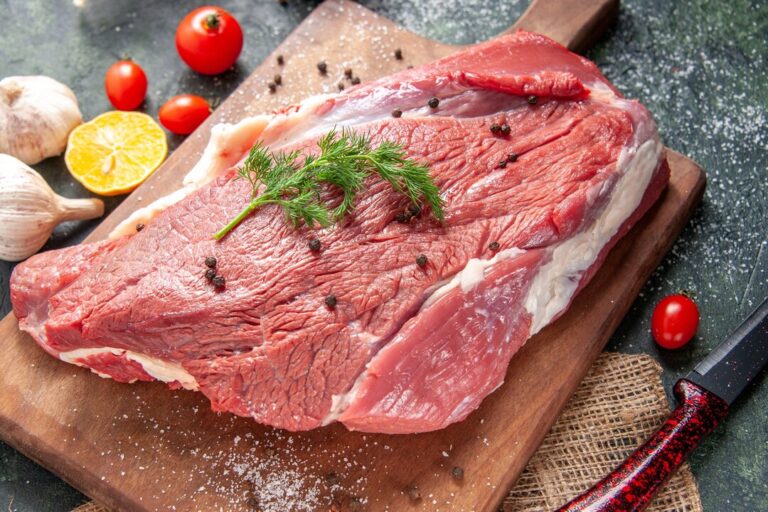
Beef Shortage: Causes, Impact, and Future Trends

0

Ever wonder why your favorite steak keeps climbing up the price ladder? Or why your grocery bill goes up every time you eye that beef tenderloin? Well, buckle up because there’s a reason behind the madness – a beef shortage is making waves across the U.S.! Let’s untangle the mystery behind this sizzling topic that’s affecting everyone from your neighborhood butcher to the biggest grocery chains.

Breaking Down the Beef Shortage

Alright, why are we in this mess anyway? Let’s go straight to the heart of the matter. There are several head-scratching reasons, and they all boil down to how we’ve been handling our hooves.

Shrinking Herds Take Center Stage

Here’s the thing: our cattle numbers are hitting a low note. Imagine it’s the cattle version of a rock concert being cancelled! The U.S. is dealing with a significant drop in cattle because dry spells have taken over some of the biggest cattle-producing states, especially Texas. Droughts have made grazing lands almost as rare as a unicorn. As cattle ranchers are left twiddling their thumbs, the national cattle inventory continues its nosedive and it’s looking to hit rock bottom by late 2024 or very early 2025.

Drought and Dollars: The Twin Tornado

Think of drought and spiraling costs as the perfect storm that cattle ranchers wish they never had to face. With less rainfall, grasslands have become harder to find than a needle in a haystack. Guess what? Feed costs have also skyrocketed. Less grass means more reliance on expensive, purchased feed. It’s like paying top dollar for a meal that’s usually on the house. Plus, let’s not forget operational expenses and interest rates – they’re waltzing to new heights every day.

Supply Chain Struggles

Got a solid supply chain? Not so fast! There’s a logistical logjam, creating headaches for producers trying to stick to their usual production levels. Rising transportation and production costs spell only one thing: goodbye, cheap beef. It’s like trying to fit a square peg into a round hole while blindfolded. You’re stewing with us, right?

What This Means for Beef Lovers

Now, you might be thinking, “Great, so what does this mean for me and my backyard barbecues?” Let’s explore what’s changing on your plate and in your pocket.

Production and Consumption See-Saw

Beef production might touch about 26.7 billion pounds by the year 2025. Sounds like a lot, right? But here’s the kicker – average consumption per person is on the decline. It’s quite the teeter-totter! Imagine not being able to find that familiar taste of beef sizzling on your grill as often as before. That’s right, fewer burgers and steaks on your plate.

Price Hikes on the Horizon

Supply’s down, demand’s up – and so are prices! It’s the perfect recipe for a price surge in the retail market. And don’t be surprised if slaughter cattle prices keep climbing too. There’s a supply squeeze and it’s pushing prices upwards, making retail beef a bit of a high roller in your shopping cart.

Industry’s Game Plan and What Lies Ahead

So, what’s the beef world doing to get its groove back? It’s time for some serious brainstorming and innovation in the face of adversity.

Challenges and Adaptations in the Beef World

Herd rebuilding? Not likely until we’re close to the end of 2025. Yes, you read that right. Industry insiders are juggling high costs and evolving consumer habits faster than a circus performer with flaming torches. They’ve got some serious catch-up to do in this intricate scramble.

Shaping the Future: Adapting to New Realities

Here’s where things get a little spicy. As the beef industry stumbles with challenges, there’s an uptick in curiosity toward alternative proteins and eco-friendly solutions. Tofu, anyone? These innovations are reshaping how we think about what’s for dinner. It’s like switching from comic books to novels – the story continues, but the characters are different.

Key Factors at a Glance

Let’s boil down the main hurdles with this handy table:

| Challenge | Supply Impact | Price Impact |
|——————————|————————————–|———————————-|
| Drought & Weather Hurdles | Less grazing leads to herd sell-offs | Tight supply raises prices |
| Soaring Production Expenses | Slower recovery leaves output low | Shopping bills edge upward |
| Supply Chain Trouble | High costs trickle down to output | Extra expenses affect buyers |
| Sagging Cattle Numbers | Lower production forecasts | Sustained pricing pressure |
| Boost from Mexican Imports | Softens shortage pinch slightly | Only moderate relief seen |

Wrapping Up the Beef Blues

The reality is right in front of us – less beef on the shelves and no clear recipe for a quick fix. As cattle numbers continue to dwindle and droughts keep playing spoilsport, we’re in for a long ride. However, the beef industry isn’t holding back! There’s a hunt for innovation as it grapples with shifting consumer preferences and high costs.

But don’t lose hope! Stay tuned, because as new trains of thoughts emerge, meaty discussions and developments await us in the realms of the beef world. And if you’re wondering how businesses are exploring new economies and adapting? Check out this article at On Business Magazine for more insights.

Hold on tight, beef enthusiasts, because this sizzling saga is far from over. You just might find yourself embracing a few new flavors and concepts along the way!

Also Read:

Costco Toilet Paper Shortage: Causes & Consumer Insight

0

Ever found yourself staring at an empty shelf where your favorite rolls of toilet paper used to be, wondering what in the world is going on? Well, you’re not alone! Let’s unravel the mystery behind this sudden toilet paper crisis that’s hit Costco stores across the U.S. Is the magic roll really in short supply, or is there more happening behind the scenes? Let’s dive in and find out!

Panic Buying Sparks a Shortage

In an unexpected twist of events, early October 2024 brought a wave of empty toilet paper aisles back into our lives, and it’s largely due to—you guessed it—panic buying! But why the frenzy? One look at social media, and you’d find folks posting frantic messages about bare shelves, echoing sentiments from the chaos of 2020.

The power of a viral post is no joke! A single image of a barren shelf can spread like wildfire, and before you know it, everyone is rushing to stock up, just in case. It’s a domino effect that sees online whispers turning into real-world actions. Fascinating, isn’t it?

Causes of the Shortage

Now, let’s dig deeper into what actually caused people to rush to their nearest Costco and line up for toilet paper like it was the latest iPhone release.

Dockworkers Strike

Here’s the thing: On October 1, 2024, thousands of dockworkers decided to put down their tools and picket signs instead. They shut down 36 major ports along the East and Gulf coasts. This move, aimed at resolving their grievances, inadvertently made consumers jittery. Picture this: news hits that essential goods might not make it to store shelves, and suddenly, everyone’s stocking up, fearing the worst!

Social Media Influence

Social media, the town crier of the digital age, has played a starring role in this saga. As soon as someone’s post shows a picture of an emptied Costco aisle, the panic button gets smashed. Videos from stores in states like Arizona and Colorado claimed items were being snatched up at lightning speed. Even a Facebook reel had folks nervous in Massachusetts, thinking toilet paper was the next big thing to vanish.

Consumer Psychology

Here’s where it gets psychological! You see, memories of aisles emptied during the pandemic are still fresh for many. When people hear even a hint of potential shortages, it hits those same emotional triggers—”Hoard now to avoid going without later!” It’s relatable and powerful, how a past experience can guide our present decisions, don’t you think?

Expert Insights on the Shortage

You might be wondering, where do the experts stand in all this chaos? Let’s peek behind the curtain and see what they’re saying about this toilet paper predicament.

Domestic Production

First off, the reassuring voice of reason: most of the toilet paper used here in the ol’ USA is made right on home turf. Yep, even if a dockworkers’ strike throws some wrenches in the works, the direct impact on toilet paper supply is quite minimal. A little-known fact, but one worth noting!

Manufacturing Output

Ronalds Gonzalez, who knows a thing or two about rolls and pulps, paints a different picture. He reminds us that American factories churn out billions of toilet paper rolls annually. That’s lots of TP! The only thing we import that might take a hit? Some eucalyptus pulp from Brazil. Sounds like it shouldn’t be a major setback, right?

Panic Buying Identification

John Eagles steps in to highlight the phenomenon: what we’re witnessing is classic panic buying. The narrative of ‘stuff running out’ spirals into a self-fulfilling prophecy because when people buy in bulk unnecessarily, stuff does run out. It’s a cycle that just keeps rolling!

Costco’s Response to the Shortage

How’s Costco handling this literal roll with the punches? Let’s take a look!

Inventory Challenges

Costco’s stock situation is a wild ride right now. Some stores reportedly run out of toilet paper by midday! Usually packed-to-the-ceiling shelves are, shockingly, left bare. It’s a sight to behold—and not in a good way. To combat this, they’ve introduced purchase limits on essentials like toilet paper and water, hoping to spread the love and ensure everyone gets their share.

Store Operations Adjustments

On the ground, employees are witnessing firsthand just how fast some folks can clear a shelf when panic sets in. They’re behind the scenes, restocking as fast as they can, trying to manage expectations and reassure customers that there will be toilet paper… eventually.

Recommendations from Experts

So, what wisdom can we borrow from the experts to navigate these turbulent toilet times?

Consumer Advice

Professor Gonzalez chimes in with a down-to-earth suggestion: “Just chill and buy only what you need!” Sensible words, right? Let’s imagine the strike doesn’t last too long. We might face some delays, but running out isn’t on the cards if we buy smartly.

Managing Consumer Expectations

Patience is key. There might be a bit of a wait for your usual brand or texture of toilet paper (here’s looking at you, eucalyptus pulp). Yet, even if the worst unfolds, commercial-grade options made from recycled domestic paper should fill the void. Just know that over-purchasing could tip even the most resilient supply chains over the edge.

Conclusion

In the grand tapestry of supply and demand, fear has been the real puppeteer of this toilet paper saga. Panic has fueled the void on shelves more than actual shortages have. Your mission, should you choose to accept it, is to shop responsibly. Let’s be the calm in this chaos and show panic buying the shelf! For more fun insights into intriguing consumer trends, don’t forget to check out onbusinessmag.com. Let the restocking commence, and may your shelves stay TP-full!

Also Read:

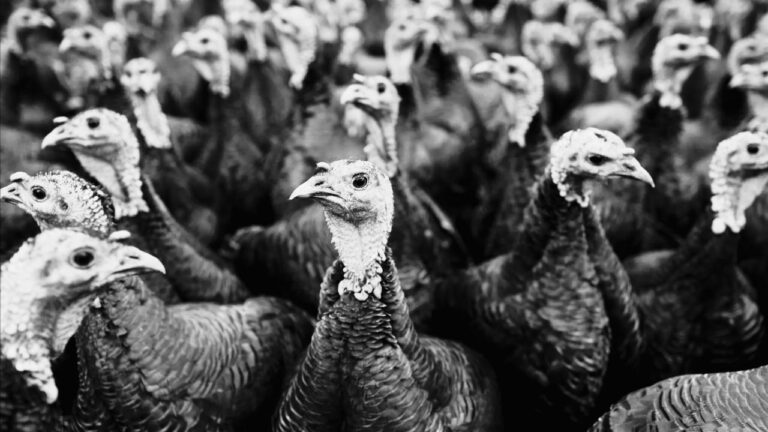
Turkey Shortage: Surprising Causes and Impacts Detailed

0

Can you hear it? That sizzling sound of America facing the juiciest supply chain saga yet! Today, we’re diving headfirst into the turkey shortage that’s gobbling up headlines. Never has talking turkey been this exhilarating. Have you ever wondered why the turkeys are playing hard to get and what that means for your holiday feasts and beyond? Well, you’re in the right place!

Why Turkeys Are in Short Supply?

So, let’s kick things off! You’re probably asking, “Why is the turkey running short this year?” The ultimate reason has layers thicker than grandma’s Thanksgiving gravy, but don’t worry, we’re here to break it down.

Causes Behind Reduced Supplies

1. Fewer Baby Turkeys: Here’s the thing: the turkey shortage train left the station because not enough baby turkeys, or “poults,” were coming down the tracks. Imagine trying to bake a pie without enough apples—turkey farmers have faced similar hurdles.

2. Battles with Bird Illnesses: Disease, especially the Highly Pathogenic Avian Influenza (HPAI), has been acting like an unwelcome dinner guest, wrecking the turkey dinner. It’s a major reason why these birds are scarce on supermarket shelves.

3. Big Drop in Turkey Production: We’ve all felt that thud in the stomach when something’s missing in the pantry. That’s how turkey farmers felt when production nosedived. May 2024 saw just 441.1 million pounds of turkey produced—a 9.6% drop from the previous year.

4. Updated USDA Forecasts Show Continued Challenges: Updated forecasts are bleaker than a winter sky, indicating the turkey shortages will continue to be a problem well into 2025.

How America’s Turkey Supply Chain Feels the Heat?

The aftershock of this turkey dilemma is leaving many parts of the U.S. supply chain feeling the burn. From farmers to consumers, it’s a tight dance navigating these turbulent turkey times.

Buyers Hunt for Elusive Parts and Materials

It’s like looking for that mythical needle in a haystack. Buyers are running circles trying to snag parts and materials to produce processed turkey items. Everything seems to have its own dilemma, from the turkey necks to fancy turkey tails.

Wild Price Swings for Frozen Turkeys

Frozen turkeys? They’re the stock market roller coaster of the poultry world, with prices bobbing up and down like a frenzied chicken dance. Those prices make your Thanksgiving turkey seem like a rare treasure.

Export Struggles Due to Health Recalls

With health recalls, particularly from HPAI outbreaks, exports have hit more roadblocks than a turkey caught in a rainstorm. The export limitations lead processors to focus more on the domestic market, where the competition is ravenous.

Limited Supply of Specialty Turkey Products

Have you ever gone on a hunt for specialty turkey products like necks, tails, or unique cuts? If so, you know what a wild goose chase that can be. These specialty meats are now in scarce supply, making them a gourmet’s dream and a buyer’s nightmare.

A Global Helping Hand

It’s not all doom and gloom, though! Our friends abroad are reaching out to lend a helping hand—like a generous neighbor offering extra eggs when you’re short for a cake.

Turkey (the Country) Steps Up with Egg Exports

This is where Turkey (the country, not the bird) swoops in to save the day. Surprised? You won’t be when you hear the tale.

February Egg Exports to the Rescue: In February 2025, the nation of Turkey began to ship tons of eggs to the U.S., aiming to patch up the poultry issues we’re scrambling to solve.

First Shipment: 15,000 Tons of Eggs: Picture this: a whopping 15,000 tons of eggs swooping across the Atlantic. That’s like rescuing the situation one sunny-side-up at a time!

Ongoing Aid Expected to Last Mid-2025: According to Ibrahim Afyon, the head of Turkey’s Egg Producers Central Union, these egg shipments will keep flowing, providing support well into 2025.

While eggs aren’t a direct substitute for turkeys, they play a crucial role, alleviating food supply stress and providing much-needed relief for related markets.

What’s Next? Solving the Turkey Puzzle

Now, as tempting as it might be to imagine solutions as simple as snaps of the fingers—crystal turkeys placed on every table—the reality calls for bold and innovative actions.

New Strategies for Disease Control

Innovations on controlling diseases like HPAI are flying through discussions as key solutions. What’s on the horizon? Advanced vaccines and genetic avian defenses in turkeys. It’s like giving turkeys their armor against viral invasions. Smart thinking, right?

Boosting Biosecurity Measures

Strong biosecurity is like having a fortress against any external threats. Farmers are beefing up these defenses with rigorous cleaning protocols and meticulous controls, aiming to ensure no unexpected guests (illnesses) cause chaos in the barns.

Exploring Global Trade Options to Fill the Gaps

Geography may have separated us, but when it comes to turkey shortages, distance means little. The U.S. is eyeing trade deals like prized options at an auction, seeking global suppliers to help balance the scales.

It’s a meaty puzzle, indeed. And, as challenging as it might seem, American ingenuity and international partnerships could be the keys. For those eager to learn more about how businesses adapt in crisis situations, check out this insightful article from On Business Mag onbusinessmag.com. It dives into strategies similar to the ones unfolding in real-time as the turkey tale continues.

There you have it! Keeping one eye on the oven and another on the market can guide us through these unprecedented culinary times. Turkeys may be playing coy, but with creativity, collaboration, and maybe just a bit of spice, we can tackle this meaty challenge head-on. So, are you ready to feast on the future with us? Keep watching because the turkey scene won’t stay static for long.

So next time you sit down to savor turkey, rest easy knowing the tale behind your meal involved a whirlwind of international teamwork, steadfast determination, and a hearty portion of legendary resourcefulness. Bon appétit!

Also Read:

Is There a Paper Shortage? Current Trends Explained

0

Hey there! So, you’ve probably heard the rumblings about a looming paper shortage. “Is there really a paper shortage?” you might ask. You bet! This isn’t just about missing a few sheets from your printer; it’s a whirlwind of supply chain chaos and shifting demands that have everyday folks and businesses feeling the squeeze. In a world where we depend on paper for so much—think schoolwork, office reports, packaging, and even that novel you’re itching to publish—any shortage can stir up quite the ruckus.

Main Contributors to the Paper Shortage

Here’s the scoop: There are a few big players in this whole paper saga. Buckle up, because it’s a bit of a rollercoaster ride!

Supply Chain Challenges

First up, let’s talk supply chains. Imagine you’re waiting for pizza delivery, but there’s a major traffic jam. That’s supply chain issues in a nutshell! Global events like COVID-19 flipped things upside-down, stalling everything from paper mills to printers. Lockdowns meant delays and cost increases, leading to paper being scarcer and pricier than a unicorn sighting.

Soaring Demand

Now, think about the world returning to its old groove. Schools reopening, offices buzzing, events back on track—everyone suddenly needed more paper. But wait, the factories couldn’t keep up! Demand skyrocketed, but supply didn’t get the memo, creating a tug-of-war between too many needs and too few resources.

Specific Shortages and Their Effects

Remember 2022? That’s when we hit the jackpot of shortages—both coated and uncoated papers went MIA. This wasn’t just a hiccup; it was a full-blown crisis. Imagine publishers, retailers, and printers scrambling to find alternatives or, worse, grinding their work to a halt. Those are the ripples felt across multiple industries, affecting everything from books to business cards.

Industry Shifts and Their Influence

Picture this: Paper mills tipping their hats and walking away, all because packaging became the cool kid on the block. Yes, some mills switched from paper to packaging production, and who can blame them? Packaging is on-demand with e-commerce booming. But this jump left a gap, making paper scarcer and transforming its availability into a bit of a nail-biter situation.

These transitions came at a cost. They’re complex, expensive, and oh-so-time-consuming. Switchbacks aren’t quick, and whatever shifts happen have a domino effect, driving paper prices up and sucking down availability like a hyperactive vacuum.

Unexpected Roadblocks: Incidents That Shook the Industry

Who doesn’t love a good plot twist? In October 2022, a major fire at a key recycled paper producer set the stage for a nationwide shortage. Yikes, right? Picture trying to grab a handful of sand as it slips away—that’s how volatile things got. This incident pushed an already tight situation into overdrive, creating ripple effects across the country. Factories rushed to find solutions, but it wasn’t just about rebuilding—it was about navigating immediate losses while planning for unforeseen future hurdles.

What’s Next: The Future of Paper Supply

Ready for some crystal ball gazing? With all this chaos, one might ask, “What’s next?” Well, there’s hope that production may bounce back post-strikes and stumbles. Picture factories switching their dusty “Paused” signs to “Go,” revitalizing the flow of paper again. But, let’s not forget: this isn’t an instant caffeine hit—it’s more of a slow brew. While there’s optimism, industry experts—and, trust me, they know their stuff—are still wary about an ongoing tussle with prices and availability.

Speculation swirls around efforts to stabilize supply and demand. It’s akin to balancing on a tightrope while juggling—no easy feat, but not impossible with the right mix of patience and precision.

Looking into 2024: What Can We Expect?

Alright, future-gazers, let’s cast our sights toward 2024. Here’s what’s likely on the horizon: For U.S. paper markets, particularly those nifty direct mailers, challenges are here to stay. With demand still outpacing supply (thanks, supply chain woes!), availability remains wobbly. So, hang tight, letter senders and invitation designers! It’s going to be a little while before we see a truly stable paper comeback.

Efforts to boost supply are in motion, a sort of race against time to balance the scales. Think of it like coaxing a tree to grow faster—possible, but demands some tender love and care. Meanwhile, transitions back into robust paper production can’t happen overnight. It’s more of a marathon than a sprint.

Here’s a nugget of interest: As some mills tiptoe back to paper, the journey is gradual and sprinkled with its own set of trials. Curiously, this means that snapping out of the current paper pickle won’t be instant.

For more info on market shifts and the business ripple effect, check out this insightful article.

Conclusion: Riding the Paper Rollercoaster

What a ride, huh? The paper shortage saga is no lightweight tale. From supply chain conundrums to fires that shook the industry, it’s been a turbulent yet fascinating scenario. Here’s the big takeaway: As we navigate this maze of scarcity, shifts, and growing demands, being prepared and proactive is the name of the game.

Ultimately, much like a good page-turner, the world of paper keeps us hooked with its twists and turns. Whether you’re a business battling rising costs or a stationery enthusiast bemoaning the disappearance of your favorite stock, stay in the loop, adapt, and remember: the paper ride is far from over, but we’re all on it together. Let’s see where this rollercoaster heads next!

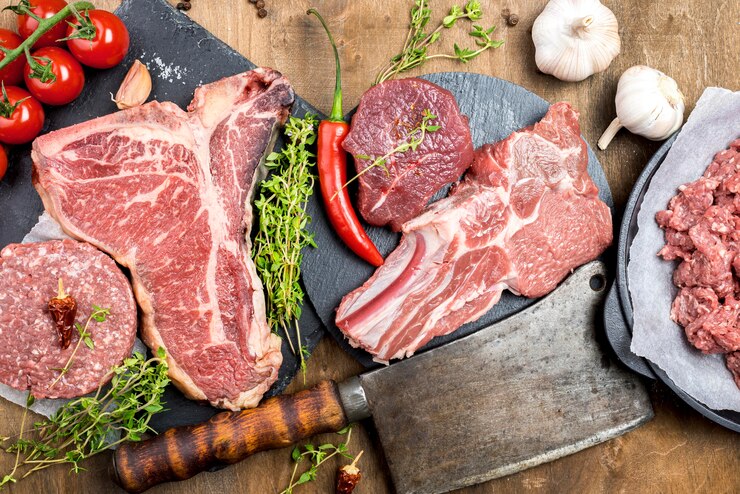
Meat Shortage: Causes, Impacts, and 2024 Updates

0

Alright, folks, let’s talk about something that’s affecting everyone’s dinner table—meat! Have you noticed fewer steaks at your local grocery or higher prices at your favorite burger joint? You’re not alone. The meat industry in the United States has been wrestling with a big problem: shortages. Let’s dig into what’s going on, why it’s happening, and what today’s scene looks like.

The COVID-19 Challenge

Remember the chaos when the pandemic hit us? The COVID-19 pandemic threw a wrench into pretty much everything, including the meat supply chain. Imagine hundreds of workers at meat plants getting sick. That’s a situation where production lines slowed down dramatically, and processing plants even had to shut their doors sometimes.

So, what does this mean for you and me? Picture this: empty shelves where your favorite cuts of meat used to be. Supermarkets had to limit purchases to make sure there was enough to go around. It’s like the wild days of toilet paper shortages, but with steaks and chicken breasts.

Now, if you thought finding workers was hard before, COVID-19 made it a whole lot worse. Recruiting new people became a nightmare because of health risks, and restrictions on migrant labor only added to the headache. Fast forward to 2024, and we’re still feeling these impacts, trying to play catch-up in a game that’s already tough.

Controversies and Conspiracies

Oh, you thought that was it? Nope! Enter the controversies. Ever hear about the theory that meatpackers were trying to manipulate the market during the pandemic? A 2022 report points fingers at top meat companies allegedly cozying up to the Trump Administration to create a perceived shortage. Yep, it’s as dramatic as it sounds!

Meanwhile, did you know that while we were hunting for bacon strips here at home, pork exports to China were on the rise? Many people were asking, “How’s that fair when we can’t even get enough sausage at breakfast?” It’s a juggling act between keeping domestic shelves stocked and fulfilling international demand, all while trying not to upset the delicate balance of trade policies.

The 2024 Reality Check

Zoom in to today’s scene—or should I say 2024’s reality? Our meat industry, especially beef, is facing some serious bumps in the road. Let’s say you want a juicy hamburger, but here’s the catch: fewer cattle mean fewer burgers. Droughts and high feed costs have taken a bite out of cattle numbers across the U.S.

Then there’s a financial stress storm—increasing feed prices, skyrocketing fuel costs, and pretty much everything else hitting the roof. Add climate change to the mix, and you’ve got grazing lands shrinking and long-term farming becoming less sustainable. It’s like a perfect storm, and we’re all waiting it out.

These hurdles are why beef is pricier and harder to find in 2024. The supply is low, demand is high, and your wallet might feel it more than your stomach these days.

Supply Chain Setbacks

Ah, the logistics nightmare—imagine trying to move a mountain with a teaspoon. Transporting meat involves a warp of refrigeration, timely delivery, and a lot of precise coordination. Throw in the kind of disruptions the pandemic introduced, and well, you’ve got a recipe for disaster.

From trucks stuck in traffic to bottlenecks at distribution centers, these hiccups mean delays and shortages at both local butcher shops and nationwide chains. The perfect ordering system now feels like juggling flaming torches on a tightrope.

Long-term Outlook and Resilience

Are you wondering what the future holds? Spoiler alert: it’s not a quick fix. The meat world is figuring out how to be flexible and strong in the face of these ongoing challenges. Let’s consider using beef as a problem-solving study. We realize the glaring gaps and weaknesses, and reforms might just be our best friends moving forward.

Innovation is knocking on the door with new protein ideas—plant-based options, anyone? Menus are changing, options are diversifying, and both consumers and businesses are getting creative in how they adapt. What we’re seeing is not the end, but a chance to build a more varied and robust food system.

Now, there’s a bigger question for all of us: How can we, as consumers, prepare for and support this new world of food? By keeping an eye on what’s happening and being open to trying new kinds of proteins, for starters.

If you’re curious about how businesses are adapting, check out this source that delves into the evolving nature of the business world: here.

The Big Question

So, what do we do next? How do we ensure that our future food system isn’t just a repeat of current challenges? This is about both the meat industry and us—everyone who enjoys that juicy steak or crispy bacon. Are we ready to shift gears and rethink our expectations?

Let’s accept the change, embrace new foods, and support sustainable practices. By looking at what’s happening now and what needs to happen, we can help shape a smarter, more sustainable food system moving forward. Whether you’re stocking up your fridge or running a restaurant, the goal is to be proactive and prepared, not panicked.

Meat shortages aren’t just about fewer grills sizzling on a summer day. This is about resilience, innovation, and future-proofing our food supply so that we can all enjoy those juicy burgers for years to come!

Vetmedin Shortage: Causes, Management, and Resolution

0

Vetmedin is a lifeline for dogs suffering from congestive heart failure. Unfortunately, like many important medications, it encountered a challenging shortage, causing concern among veterinarians and pet owners alike. In this article, we’ll unravel the various aspects of the Vetmedin shortage, from its causes to solutions and its current status in the market. This overview will help you understand why the shortage happened and what measures were taken to resolve it.

Cause of the Shortage

The primary cause of the Vetmedin shortage was rooted in manufacturing issues. Boehringer Ingelheim, the company responsible for producing Vetmedin, faced significant delays due to changes and processing setbacks at their manufacturing site. Production lines were disrupted, affecting the drug’s supply chain and resulting in limited quantities available for distribution. Manufacturing challenges are not uncommon and can stem from equipment failures, modifications in production techniques, or stringent regulatory demands that require significant adjustments.

In 2019, these manufacturing delays reached a peak, creating a bottleneck in the production line. Consequently, supply could not meet the growing demand for this crucial medication used in managing heart failure in dogs. For pet owners and veterinarians, it was a distressing situation as the medication plays a vital role in extending the lifespan and improving the quality of life for canine patients.

Management Strategies

To address the shortage, several strategic measures were implemented. Boehringer Ingelheim initiated an allocation program to fairly distribute the available Vetmedin stocks. This meant veterinary clinics received only limited quantities, ensuring a wider reach and reducing hoarding, but it also meant strategic planning by vets to manage doses for their patients.

In response to the local shortage, the FDA permitted the temporary importation of Vetmedin from other countries, specifically Canada, the UK, and Ireland. Although these imported Vetmedin products were not FDA-approved, they met stringent good manufacturing practices in their countries of origin. By tapping into international supplies, the authorities managed to bridge the gap, ensuring that the product’s availability improved, even if temporarily.

Resolution of the Issue

By June 2022, Boehringer Ingelheim announced significant progress in addressing the shortage. With their production back on track, a reliable supply of FDA-approved Vetmedin was re-established in the U.S. This marked a significant relief for pet owners and veterinarians, as the reliance on foreign-sourced products was no longer necessary.

A considerable effort was devoted to addressing the production setbacks and improving the reliability of the supply chain. Issues at the manufacturing plant were diligently resolved, and an ongoing commitment to maintaining consistent drug availability was emphasized by the manufacturer.

Alternatives During the Shortage

During the shortage, veterinarians had to explore other medical options to manage their patients’ conditions. Alternative medications such as enalapril, lisinopril, and benazepril were considered. These drugs are classified as selective ACE inhibitors and are used to treat heart conditions.

However, while these alternatives provided a plausible option, they did not match Vetmedin’s efficacy in enhancing dogs’ quality of life. It became crucial for pet owners to consult their veterinarians for guidance on dosage and understanding the possible impacts on their pets’ health. Personalized veterinary advice ensured that substitutions were as effective as possible while awaiting Vetmedin’s return to the market.

Role of Regulatory Bodies

Regulatory agencies played pivotal roles in mitigating the impact of the Vetmedin shortage. The FDA, through its Center for Veterinary Medicine (CVM), actively coordinated with Boehringer Ingelheim to monitor progress and ensure lines of communication were open with stakeholders. The FDA’s involvement expedited regulatory permissions and facilitated temporary importation strategies.

Their dedication to managing shortages of medically necessary veterinary products necessitated ongoing collaboration with the manufacturer. Every step towards restoring a reliable supply of Vetmedin was geared towards minimizing impact on pets requiring this life-sustaining medication.

Additionally, information dissemination regarding the shortage, substitution recommendations, and updates on the status of the shortage were communicated through both professional and pet care channels, emphasizing transparency and aiding those directly affected.

Summary

The Vetmedin shortage was a challenge that called for coordinated action on multiple fronts. From tackling manufacturing hurdles to employing strategic allocation and temporary imports, there was a concerted effort to safeguard canine health during the crisis. As of June 2022, production issues have been resolved, and supply chains restored, reassuring pet owners and veterinarians with the promise of continued accessibility to this critical medication.

Through collective endeavors by manufacturers, regulatory bodies, and veterinary professionals, a crisis that threatened the health of numerous dogs has been successfully navigated. Pet owners can now confidently access Vetmedin, a testament to the resilience and dedication of all involved stakeholders.

For further insights into critical changes and developments in pet management, visit On Business Magazine, your go-to source for comprehensive and current information. Thank you for staying informed and proactive in understanding the Vetmedin shortage and its resolutions. Together, we ensure healthier futures for our beloved pets.

Soy Milk Shortage: Trends, Challenges, and Market Outlook

0

In recent years, we’ve come to rely on soy milk as a staple in the plant-based milk industry. Despite its popularity, soy milk enthusiasts in the UK faced a noticeable shortage in 2022. This situation highlighted the complexities of food production and supply chains. For those who enjoy soy milk, any disruption can feel significant. With its creamy texture and nutritional benefits, soy milk is an important part of many people’s diets, particularly for vegans and those with lactose intolerance.

Soy milk isn’t just a drink. It’s a symbol of how our food preferences are changing. More people are opting for plant-based products, whether for health reasons or to reduce environmental impact. This makes understanding the recent shortage all the more important. Through this article, we will explore various factors that led to this situation and discuss how the market is expected to evolve. By looking at the challenges and trends, we aim to provide you with a comprehensive understanding of the current state of the soy milk market.

Production Challenges and Resolutions

The root of the 2022 soy milk shortage in the UK lay in production challenges at an Alpro factory, a brand owned by Danone. These challenges led to decreased stock levels of Alpro soy milk in supermarkets. It wasn’t just a minor inconvenience; it was a disruption that affected consumer choices across the nation. The company swiftly acknowledged the problem and assured consumers they were addressing the situation urgently. Danone’s response included efforts to boost production capacity and optimize supply chains to meet the demand.

In dealing with production issues, communication was key. Danone assured consumers that it would take only a few weeks for stock levels to return to normal. This transparency helped maintain consumer trust, although the temporary shortage still posed an inconvenience. Beyond just fixing immediate issues, companies like Danone are learning from such incidents. They are investing in more resilient supply chains to reduce the risk of similar future disruptions. This demonstrates a commitment to ensuring product availability, which is crucial for maintaining brand loyalty.

Global Market Trends

Despite the temporary setbacks in certain regions, the global soy milk market shows promising growth trends. The market is predicted to expand significantly, from USD 5.6 billion in recent years to an astounding USD 13.1 billion by 2033. Such impressive growth is largely driven by a few key factors. A notable shift towards vegan and vegetarian lifestyles is playing a massive role. More people are choosing plant-based diets, motivated by health concerns, environmental impacts, and animal welfare issues.

Additionally, consumers are becoming more conscious of their food choices, favoring products that align with sustainable and ethical standards. Soy milk fits well within this paradigm, offering a plant-based alternative that generally requires fewer natural resources to produce than animal milk. As the global population continues to grow more aware of these issues, the demand for soy milk is expected to rise steadily. Knowing this allows manufacturers and investors to prepare for future market needs, ensuring that soy milk remains a competitive option.

Regional Market Dynamics

In the US, soy milk faces a unique challenge as its popularity declines in favor of other plant-based alternatives. Once a dominant player in the plant-based milk market, soy milk is seeing its share drop. By 2018, almond milk dominated approximately 64% of the US plant milk market, while soy milk’s share dwindled to around 13%. This shift highlights changing consumer preferences, with many opting for almond or oat milk due to taste, perceived health benefits, or marketing.

Different plant-based milks offer various nutritional profiles and flavors, appealing to diverse consumer preferences. Almond milk’s rise can be attributed to its mild taste and perceived all-around benefits. Meanwhile, oat milk is gaining traction, praised for its creaminess and environmental benefits over almond milk. These market dynamics indicate that while soy milk remains vital, it faces steep competition. Understanding these regional preferences can help producers tailor their products and marketing strategies to appeal to a wider audience.

Consumer Consumption Patterns

Soy milk consumption rates in the United States provide further insights into its place in the beverage market. Despite its nutritional benefits, the prevalence of soy milk consumption among the general population is relatively low. Based on data from the National Health and Nutrition Examination Surveys (NHANES), only 2% of individuals reported consuming soy milk in the 2015-2016 cycle, dropping slightly to 1.54% in the 2017-2020 cycle.

For those curious about who is most likely to consume soy milk, certain demographic trends emerge. Non-Hispanic Asian and Black ethnic groups, alongside individuals with a college education, are more inclined to include soy milk in their diets. Additionally, those who engage in moderate physical activity are also more likely to enjoy soy milk. These patterns can inform marketing strategies, helping businesses appeal to specific demographic segments most likely to purchase soy milk.

Environmental Impact of Soy Milk

One of the compelling reasons for choosing soy milk over traditional dairy or even other plant-based options is its environmental impact. Producing soy milk is generally more eco-friendly compared to dairy milk. It requires significantly less water compared to almond milk—a plant-based alternative that is notorious for high water consumption. Additionally, soy milk contributes less to greenhouse gas emissions than cattle farming, aligning with the growing demand for sustainable food production.

However, the journey of soy milk is not without its environmental concerns. A pressing issue is the deforestation linked to soybean production, particularly in regions like Brazil. Here, vast swaths of rainforest are being cleared for soybean cultivation. This contributes negatively to carbon emissions and threatens biodiversity. Efforts to source soybeans sustainably can mitigate these impacts, ensuring that soy milk remains a responsible choice. Awareness of these issues allows consumers to make informed choices, supporting products that align with their environmental values.

Health Benefits and Concerns

Soy milk offers a rich nutritional profile, making it a popular choice for those seeking a balanced diet. It’s rich in polyunsaturated fatty acids, fibers, and a range of vitamins and minerals. These attributes contribute to its reputation as a heart-healthy option. For people with lactose intolerance or those avoiding dairy, soy milk provides essential nutrients, including proteins, comparable to those found in cow’s milk.

Despite its benefits, some concerns surround the health impacts of soy isoflavones. These naturally occurring compounds are similar to estrogen and have sparked debate about their potential health effects. While some studies raise concerns, suggesting that high soy consumption could be problematic, other research points to benefits. Phytoestrogens found in soy may reduce the risk of certain cancers and chronic health conditions. As with any nutritional choice, moderation and balance are key. Educating oneself about the benefits and concerns can help individuals make informed, health-conscious decisions.

Conclusion

The recent soy milk shortage in the UK brought attention to the intricacies of production challenges. However, it also highlighted the resilience of the market and its potential for growth. From production woes and regional market dynamics to its environmental and health implications, soy milk embodies a complex yet vital segment of the plant-based industry. As we look ahead, the global soy milk market seems poised for expansion, driven by evolving consumer preferences, sustainability initiatives, and health consciousness.

Brands like Alpro, a part of the Danone family, are learning from past shortages to build more resilient supply chains. As consumers, we can anticipate better availability and quality. Whether driven by dietary choices, environmental concerns, or health benefits, soy milk remains a pivotal part of the plant-based milk narrative. For a deeper look into how the soy milk market might shape the future of our food options, explore insights on On Business Mag. Understanding these trends equips us not only to navigate current shortages but also to anticipate the innovations and solutions that lie ahead.